exteriors
Siding in Canton, GA
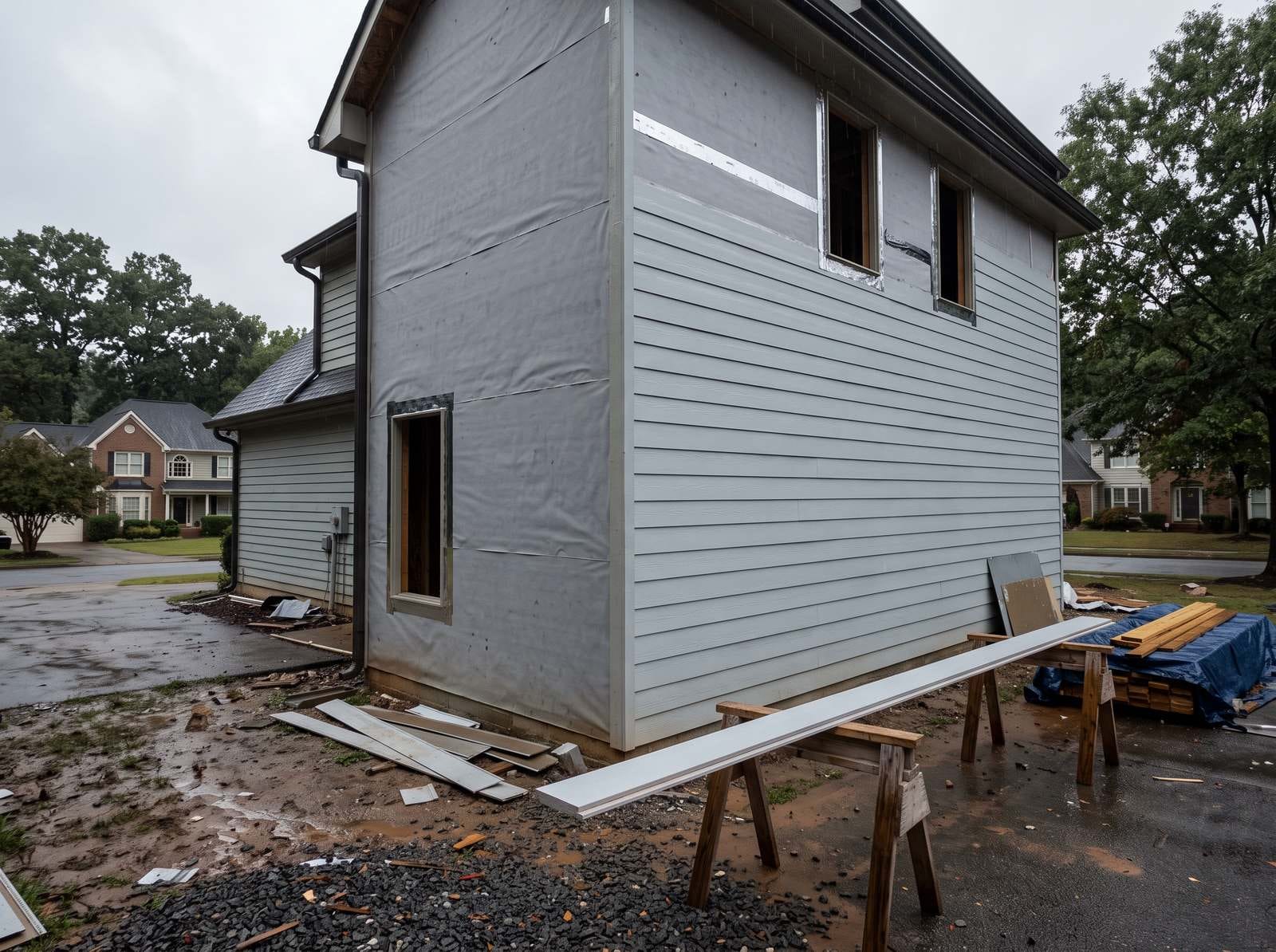
Siding gets replaced for three reasons: it failed, it was damaged in the same storm as the roof, or it is the last thing making a good house look tired. We install fiber cement, vinyl and engineered wood, and on homes built before 1978 we work as an EPA Lead-Safe Certified Firm because federal law requires it.
Filing on this? What we do and do not do in an insurance claim — including the one thing Georgia law does not allow anybody to offer you.
What we actually do on this job
- Sheathing and framing inspected once the old cladding is off, not assumed
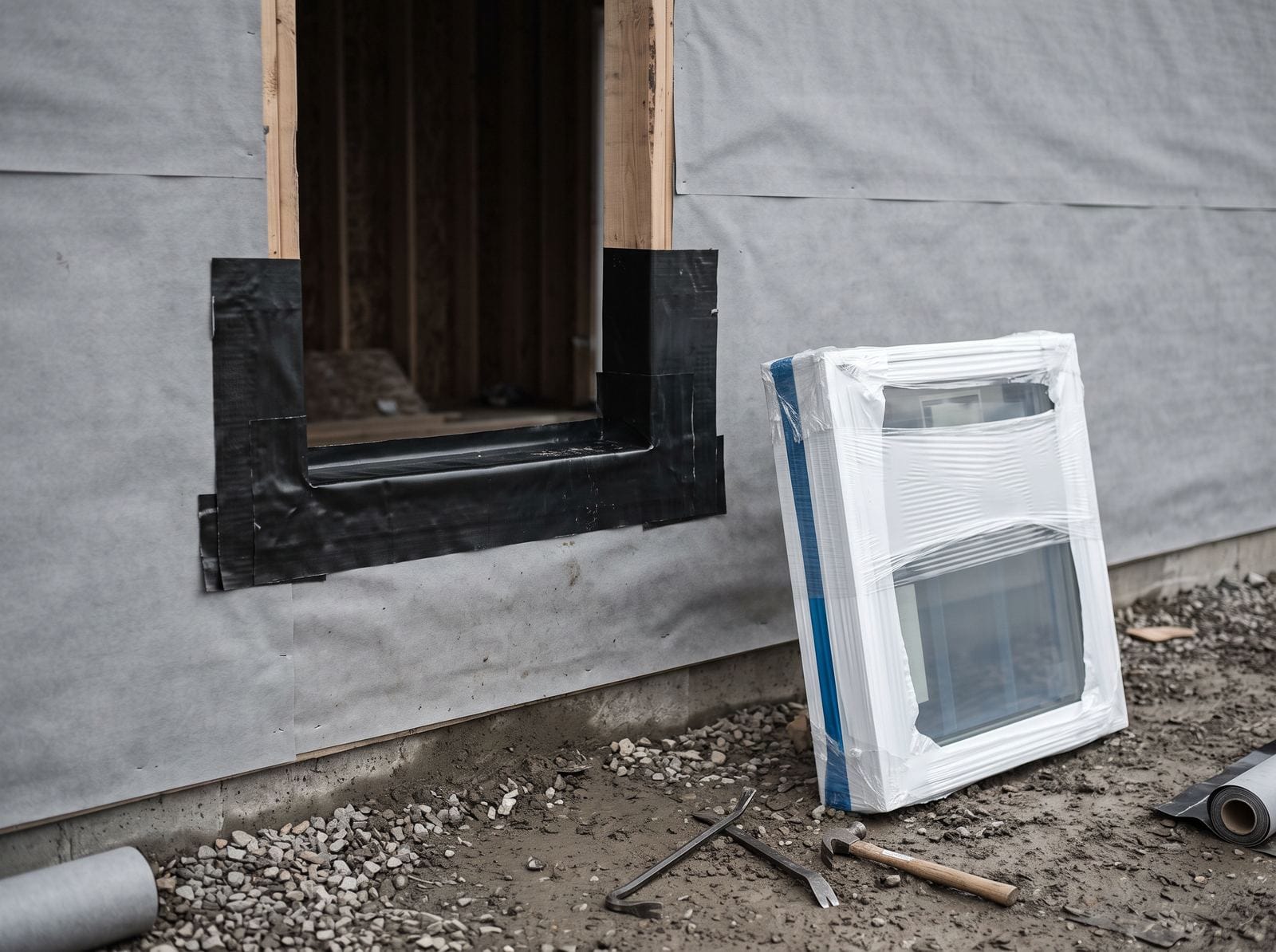
- House wrap and flashing at every opening, corrected where it was wrong the first time
- Fiber cement, vinyl or engineered wood, installed to the manufacturer's fastener and clearance schedule
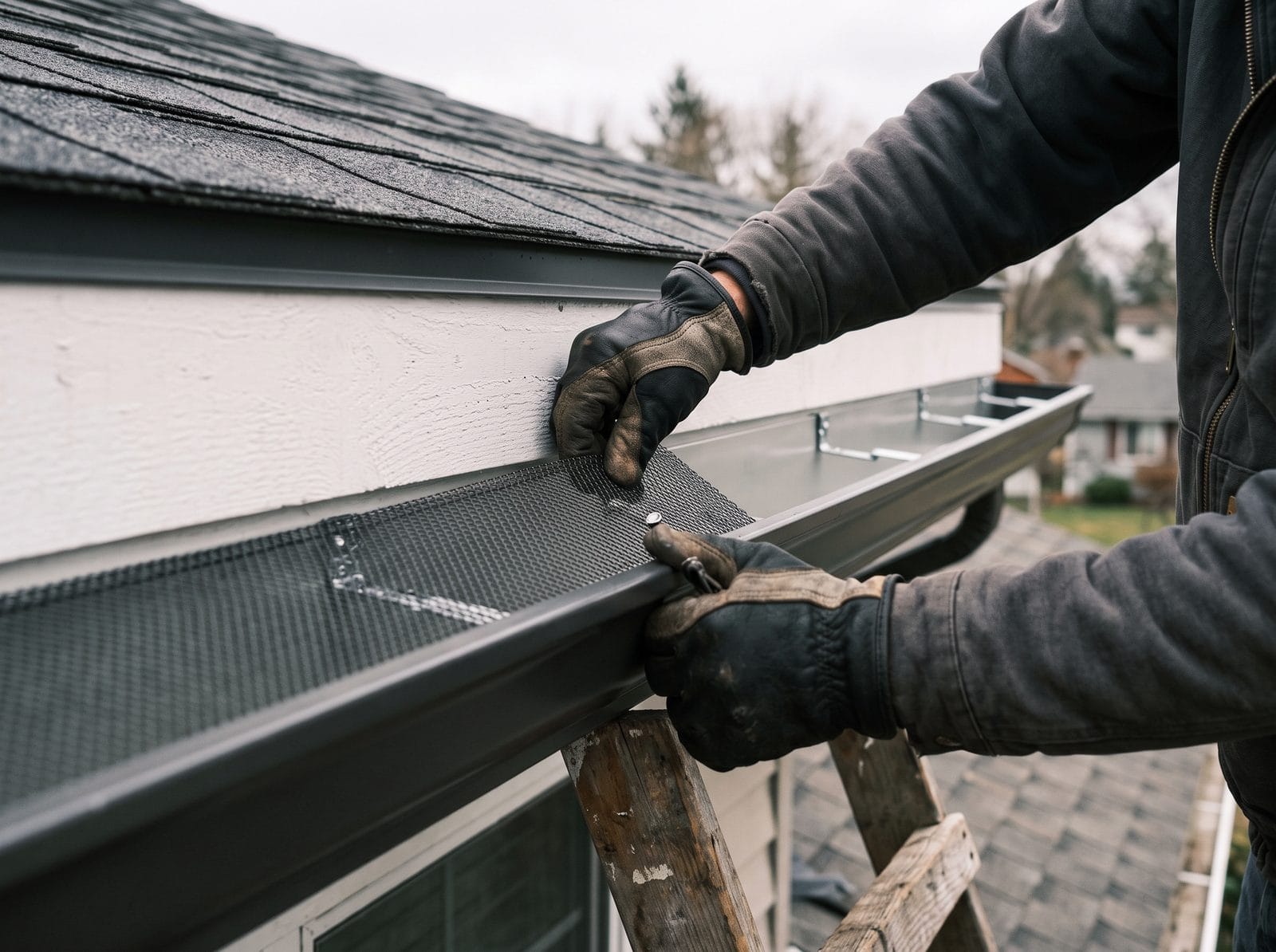
- Trim, corners, soffit and fascia detailed as part of the same scope
- Ground clearance and kick-out flashing at roof-to-wall junctions — the two details that rot a wall
- Containment and cleanup to the federal renovation rules on any pre-1978 home
Materials and systems
- Fiber cement
- The heaviest and the most dimensionally stable of the three, and the one that most often makes sense on a house where the original cladding lasted decades. Needs its clearances respected at grade and at the roof line or it wicks.
- Engineered wood
- Lighter than fiber cement, faster to install, and a genuine option where weight or structure is a constraint. Its warranty terms are specific about installation, which is a reason to care who installs it.
- Vinyl
- The least expensive and, installed properly, entirely serviceable. The failures we see are almost always installation rather than product: nailed tight instead of hung, no room to move, and no flashing where a roof meets a wall.
How it goes
01
Find out what is behind it
Most of what looks like a siding problem is a water-management problem, and the evidence is on the sheathing. We open a section before we quote where we can.
02
Fix the water path first
Wrap, flashing, kick-outs and clearances. New cladding over a wall that still lets water behind it is an expensive delay.
03
Install, trim, and clean up properly
On a pre-1978 home that cleanup is a regulated procedure rather than a courtesy, and it is part of the price.
My house was built in the seventies. What does that change?
It changes the rules, and it is worth knowing them because most homeowners do not. Federal renovation, repair and painting rules apply to housing built before 1978 when work disturbs painted surfaces — more than twenty square feet on an exterior — and window replacement and demolition of painted surfaces are covered regardless of square footage, with no floor at all. That is the detail most contractors miss. It means containment, specific work practices, cleanup, and a pamphlet delivered to you before work starts. Two more things worth saying plainly: Georgia runs its own program rather than the federal one, so a Georgia firm certifies with the state environmental agency, and the Census housing buckets everybody quotes are cut at 1979 rather than 1978 — so any "percentage of homes built before 1978" figure you read, including on other roofing sites, is an estimate rather than a statistic.
On homes built before 1978 we work as an EPA Lead-Safe Certified Firm, and the containment and cleanup that requires is priced into the job rather than added to it. What the rule requires →
Questions about siding
How long does a siding job take?
Typically several days to a week on an average house, depending on size, how much of the sheathing needs replacing, and whether trim and soffit are in scope. Pre-1978 homes take longer because the containment and cleanup procedures are part of the work.What changes the price?
Square footage, the number of openings and corners, the material, whether there is more than one story, and what we find on the sheathing. Openings are the expensive part — a wall with six windows costs more per square foot than a blank gable.Was my house built before 1978, and does it matter?
It matters a lot, and the answer is on your county's property record rather than in anybody's brochure. Pre-1978 housing brings federal lead-safe work practices into scope whenever painted surfaces are disturbed — and a window replacement triggers them with no square-footage floor at all. We are set up to work that way and it is priced in, not added later.Do I need a permit for siding?
It depends on the jurisdiction, and some publish an exemption for exterior wall covering — unincorporated Cobb's list, for example, exempts siding, fascia and cornice work. That is a county rule and it does not carry inside a city's limits, so we check yours specifically.
Free inspection
Request an inspection window
Three steps — four if there has been a storm. About ninety seconds.
Get on the roof and know for sure.
Forty-five minutes, dated photographs, a written answer, and no obligation of any kind.